Graveyard Murder
The Graveyard Murder is the dark, violent pivot around which the entire moral drama of The Adventures of Tom Sawyer turns. What begins as a juvenile adventure—a midnight expedition to a decaying graveyard to test a dead-cat wart cure—plunges Tom Sawyer and Huckleberry Finn into the real, adult world of violence, injustice, and terror. They witness a cold-blooded murder, see an innocent man framed for the crime, and bind themselves with a blood oath of silence that becomes a corrosive burden on their consciences. The event introduces the novel's most formidable villain, Injun Joe, and establishes the central conflict between the boys' fear for their own safety and their dawning sense of moral responsibility. It is the moment the idyllic summer world of St. Petersburg is irrevocably shadowed by guilt and dread.
Background and Setting
The murder takes place in the old-fashioned Western graveyard on a hill about a mile and a half from the village of St. Petersburg. The cemetery is a desolate, neglected place: a crazy board fence leans inward and outward but stands upright nowhere, grass and weeds grow rank over the whole cemetery, all the old graves are sunken in, and there is not a single standing tombstone—only worm-eaten boards that stagger over the graves, leaning for support and finding none. The boys, Tom and Huck, have come here around midnight, carrying a dead cat, to perform a superstitious ritual they believe will cure warts. They hide within the protection of three great elm trees that grow in a bunch within a few feet of a fresh grave—the burial site of Hoss Williams. The atmosphere is oppressive with solemnity and silence, broken only by the hooting of a distant owl. The boys whisper nervously about whether the dead can hear them, and Tom regrets having called the deceased "Hoss" instead of the more respectful "Mister Williams."
The Grave Robbery and the Murder
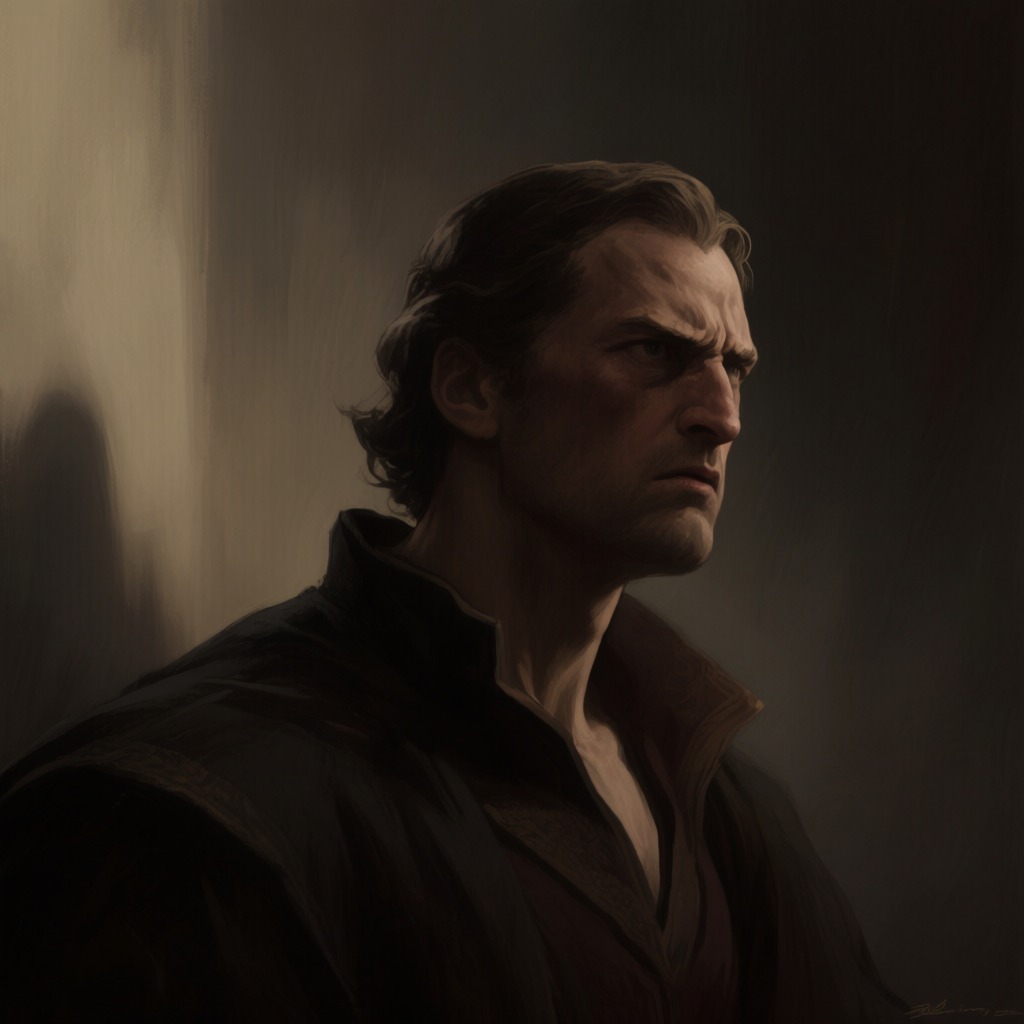
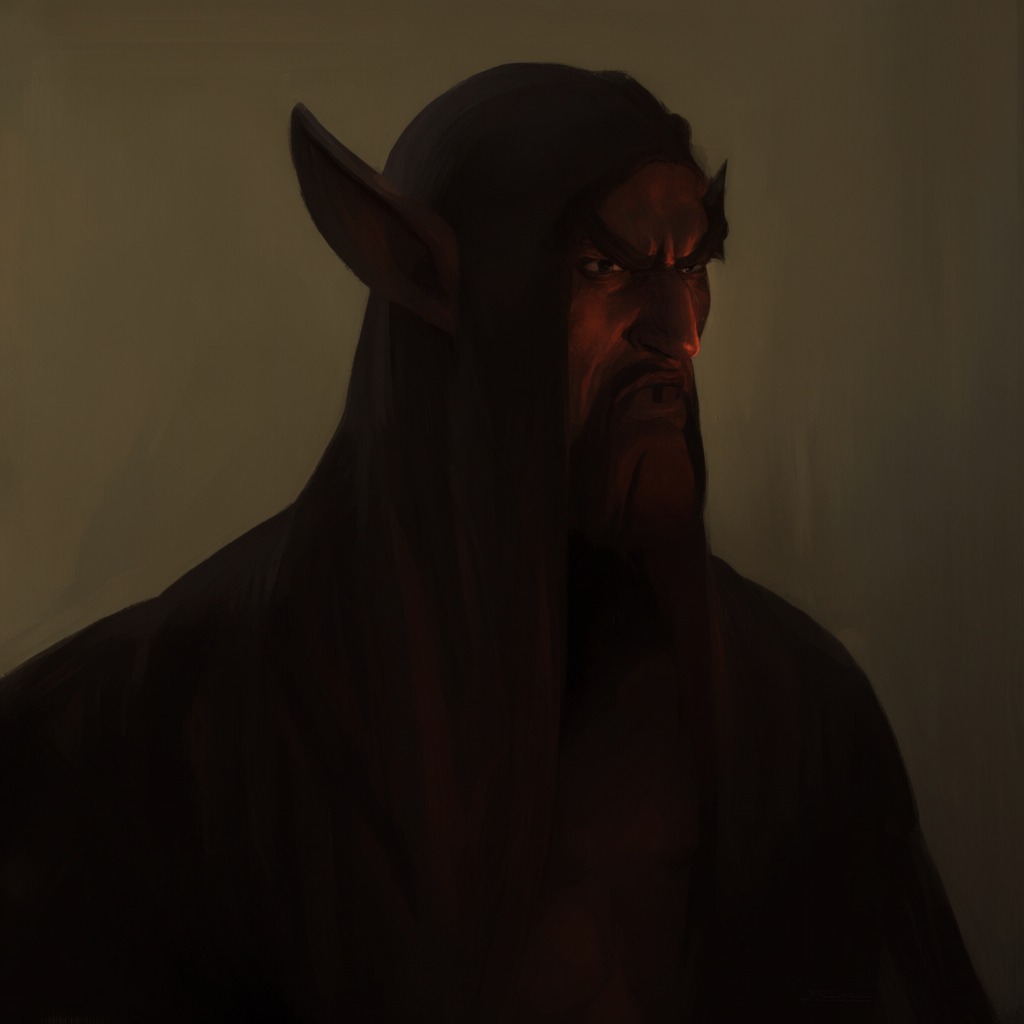
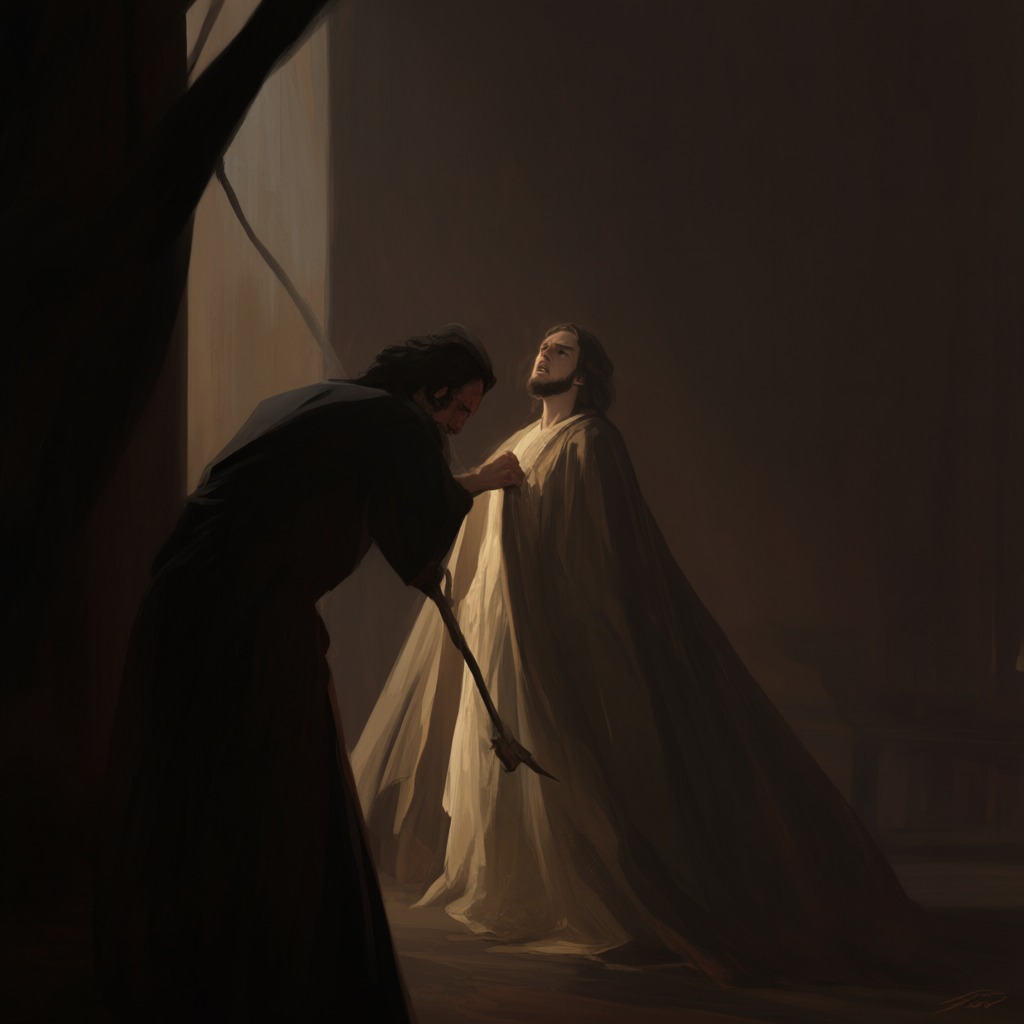
While Tom and Huck wait in hiding, three men approach through the gloom, carrying a tin lantern. The boys recognize the voices: one is Muff Potter, the town drunkard; another is Injun Joe, a "murderin' half-breed" whom Huck says he would rather see as a devil; and the third is young Doctor Robinson. The men are carrying a handbarrow with a rope and shovels. They open the grave, hoist out the coffin, pry off the lid, and dump the body rudely on the ground. When the work is done, Potter demands an additional five dollars from the doctor, and Injun Joe supports him. The doctor protests that he has already paid them in advance. Injun Joe then reveals a deep, long-nurtured grievance: five years earlier, Doctor Robinson drove him away from his father's kitchen when he came asking for food, and when Joe swore he would get even, the doctor's father had him jailed as a vagrant. "The Injun blood ain't in me for nothing," Joe declares, and threatens the doctor with his fist. The doctor strikes out, knocking Joe to the ground. Potter grapples with the doctor, and the two struggle violently. Injun Joe springs to his feet, his eyes flaming with passion, snatches up Potter's knife, and creeps catlike around the combatants, seeking an opportunity. The doctor frees himself, seizes the heavy headboard of Williams' grave, and fells Potter to the earth with it. In the same instant, the half-breed sees his chance and drives the knife to the hilt into the young man's breast. Doctor Robinson reels and falls partly upon Potter, flooding him with blood. The clouds blot out the dreadful spectacle, and the two frightened boys speed away in the dark.
The Framing of Muff Potter
When the moon emerges again, Injun Joe stands over the two forms, contemplating them. The doctor murmurs inarticulately, gives a long gasp or two, and is still. Joe mutters, "That score is settled—damn you," and then robs the body. He places the fatal knife in Potter's open right hand and sits down on the dismantled coffin. After several minutes, Potter begins to stir and moan. His hand closes upon the knife; he raises it, glances at it, and lets it fall with a shudder. He sits up, pushing the body from him, and gazes at it confusedly. When his eyes meet Joe's, Potter asks in horror how this happened. Joe coolly lies, telling Potter that the two of them were scuffling, that the doctor struck Potter with the headboard, and that Potter then rose up, snatched the knife, and stabbed the doctor. Potter, dazed and drunk, cannot remember the events and believes Joe's story. He falls to his knees, clasping his hands, and begs Joe not to tell. Joe promises to keep silent, and Potter, calling him an angel, runs off. Joe mutters to himself that Potter, stunned and fuddled, will not think of the knife until he is too far gone to dare come back for it.
Consequences and Aftermath
The murder immediately transforms the lives of Tom and Huck. They swear a blood oath of secrecy, writing their oath on a pine shingle with a fragment of "red keel," pricking their thumbs to sign in blood, and burying the shingle with dismal ceremonies. The oath binds their tongues with a terror that is both superstitious and practical: they are convinced that Injun Joe has sold himself to the devil and that breaking the oath would mean certain death at his hands. The next day, the whole village is electrified by the news. A gory knife recognized as belonging to Muff Potter is found near the body, and a belated citizen reports seeing Potter washing himself in a branch early that morning. The town immediately concludes Potter is the murderer. At the inquest, Injun Joe repeats his lie under oath with perfect calm, and the boys, seeing that no divine lightning strikes him down, are confirmed in their belief that he is in league with Satan. Potter is arrested and jailed. Tom's conscience is tormented: he talks in his sleep, complains of toothache to avoid suspicion, and secretly brings small comforts to Potter through the jail window. The secret becomes a "chronic misery" and a "very cancer for permanency and pain" that haunts him for months, until he finally breaks his oath and testifies at Potter's trial, sending Injun Joe fleeing through a courtroom window. The Graveyard Murder thus sets in motion the novel's deepest moral arc: the journey from terrified silence to courageous truth-telling, and the painful education of a boy's conscience.